WHAT IS CLIMATE CHANGE?
Climate change refers to long-term shifts in temperatures and weather patterns. These shifts may be natural, such as through variations in the solar cycle. However, since the 1800s, human activities have been the main driver of climate change, primarily due to burning fossil fuels like coal, oil, and gas. Burning fossil fuels generates greenhouse gas emissions that act like a blanket wrapped around the Earth, trapping the sun’s heat and raising temperatures. Examples of greenhouse gas emissions that are causing climate change include carbon dioxide and methane. These come from using gasoline for driving a car or coal for heating a building. Lastly, clearing land and forests can also release carbon dioxide and landfills for garbage are a major source of methane emissions (United Nations, n.d.).

“Climate change is real; it is happening right now."
-Leonardo Dicaprio, 2016

Hot days and heat waves are becoming increasingly common over nearly all geographical areas; 2020 was one of the warmest years on record. Heat-related diseases become more common as temperatures rise, making it more difficult to work and move around. When the weather is hot, wildfires are easier to start and spread.
GLOBAL EFFECTS OF CLIMATE CHANGE
1. MORE
FREQUENT STORMS
Temperature variations lead to fluctuations in rainfall. As a result, storms become more severe and violent. Flooding and landslides occur as a result of them, damaging homes and towns and costing billions of pounds.
2. INTENSE DROUGHT
More and more areas are experiencing water scarcity. Droughts may cause devastation by causing massive sand and dust storms that can transport billions of tons of sand across continents. Deserts are rising in size, lowering the amount of land available for food production. Many individuals are now at risk of running out of water on a daily basis.
3. RISING SEA LEVELS
The ocean absorbs the majority of the heat generated by global warming. This causes ice sheets to melt and sea levels to rise, posing a hazard to coastal and island settlements. Carbon dioxide is also absorbed by the ocean, which keeps it out of the atmosphere. Carbon dioxide increases the acidity of the water, endangering marine life.
LOCAL EFFECTS OF CLIMATE CHANGE
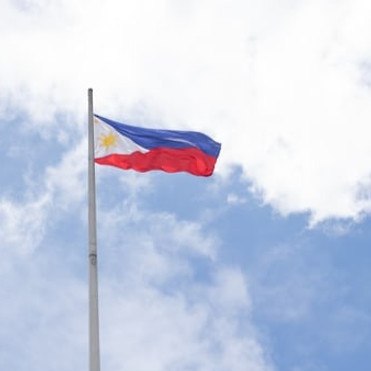
According to the 2017 World Risk report, the Philippines is the third most vulnerable country to climate change. Climate change has a lot of implications in the country, including annual GDP losses, changes in rainfall patterns and distribution, droughts, threats to biodiversity and food security, sea level rise, public health risks, and endangering vulnerable groups like women and indigenous people.
Our Change.org -Content
Earth is in desperate need of our help. Climate change is one of the biggest problems facing the world and it isn’t being addressed quickly enough. We have been given 12 years to drastically reduce emissions, lest our world warm to the point where humans face an existential threat. Thus, our group, Raise Climate Emergency, would like to advocate and raise awareness about the significance of this issue. To read more, click here.

